
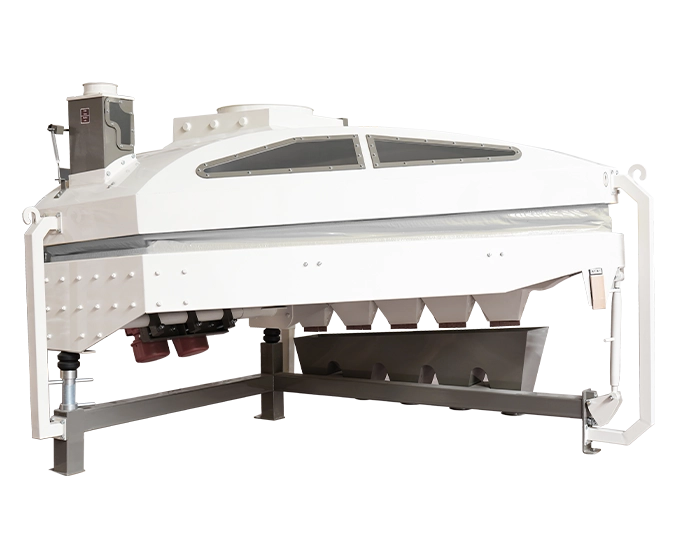
Mixing Machine: The Milling Industry’s Essential Flour Mixing Solution
What is a Milling Mixing Machine and Why is it Critically Important?
Milling mixing machine is industrial equipment specially designed for homogeneous mixing of different flour types, grains, and food additives. These machines are indispensable components of flour production processes, essential for ensuring standardized product quality, meeting customer demands, and gaining competitive advantage in the modern milling industry.
In today’s market where flour quality standards are continuously rising, professional flour mixing machines significantly increase production efficiency while ensuring consistency in product homogeneity. These technological solutions, which deliver much faster and more effective results compared to manual mixing methods, play a key role in enhancing the competitive strength of milling operations.
Types of Mixing Machines in the Milling Industry
Flour Mixing Machines
Flour mixing machines meet the most fundamental needs of milling operations:
- Multi-Purpose Flour Mixers: Ideal for mixing different flour types
- Bread Flour Mixing Machines: Provides protein ratio standardization
- Pastry Flour Mixers: Special design for fine-textured flours
- Whole Wheat Flour Mixers: Homogeneous distribution of bran and endosperm
- Gluten-Free Flour Mixers: Special systems preventing contamination
Grain Blending Machines
Grain mixing machines optimize milling input quality:
- Wheat Blending Machines: Mixing of different wheat varieties
- Barley Mixing Machines: Special solutions for malt industry
- Corn Mixing Machines: Moisture and quality standardization
- Multi-Grain Mixers: Designed for specialty blend flours
Additive Mixing Systems
Food additive mixing machines enable enriched flour production:
- Vitamin Mixing Machines: For A, B, D vitamin supplementation
- Mineral Mixers: Iron, zinc, calcium fortification
- Enzyme Mixing Systems: Baking quality improvers
- Emulsifier Mixers: Dough quality enhancing additives
Technical Specifications of Milling Mixing Machines
Technologies Specific to the Flour Industry
Industrial flour mixing machines are designed according to the specific needs of the milling industry:
Dust Control Systems: Flour dust control and air filtration Precise Dosing Systems: High precision additive addition Antistatic Properties: Surfaces preventing flour particle adhesion Food Grade Materials: AISI 316 stainless steel and FDA approved components Easy Cleaning Design: Compatible with CIP (Clean in Place) systems
Milling Mixing Machine Capacities
Capacity options according to different mill sizes:
| Capacity Range | Mill Type | Hourly Mixing Capacity |
|---|---|---|
| 500-2000 kg | Small neighborhood mills | 2-8 tons |
| 2000-10000 kg | Medium-scale mills | 8-40 tons |
| 10000-50000 kg | Large industrial mills | 40-200 tons |
| 50000+ kg | Mega milling complexes | 200+ tons |
Critical Factors in Milling Mixing Machine Selection
Flour Quality and Homogeneity Requirements
Most important factors in milling mixer selection:
- Mixing Homogeneity: High quality homogeneous mixing capability
- Particle Size Protection: Gentle mixing that preserves flour structure
- Protein Distribution: Preservation of gluten network
- Moisture Control: Maintaining moisture balance during mixing
Mill Integration
Industrial flour mixer integration factors with mill systems:
- Pneumatic Conveying Compatibility: Compatibility with flour transfer systems
- Silo Integration: Coordination with storage systems
- Automatic Control: Integration with SCADA and PLC systems
- Capacity Matching: Synchronization with mill production speed
Quality Control in Flour Mixing Processes
Laboratory Analysis Integration
Professional mill mixers are equipped with quality control systems:
Protein Analysis Sensors: Real-time protein measurement Moisture Measurement Systems: Moisture control before and after mixing Color Measurement Devices: Flour whiteness and color consistency Gluten Index Control: Dough making quality measurement
Automatic Recipe Management
Modern mixing machines have advanced recipe systems:
- Multiple Recipe Capacity: Storage for different flour types
- Automatic Dosing: Programmed additive addition
- Traceability: Production tracking and tracing system
- Quality Reporting: Automatic quality control reports
Milling Mixing Machine Maintenance and Efficiency
Maintenance Programs Specific to the Flour Industry
Flour mixing machines show optimum performance with regular maintenance:
Daily Cleaning: Complete removal of flour residues Weekly Control: Filter systems and airflow control Monthly Maintenance: Mixer blades and motor systems control Quarterly Service: Complete system calibration and quality tests
Hygiene and Food Safety
HACCP compliant maintenance procedures:
- Microbial Control: Bacteria and mold prevention systems
- Allergen Cleaning: Gluten and other allergen residue cleaning
- Sanitation Protocols: Compliance with food safety standards
- Documentation: Hygiene records and audit reports
Economic Evaluation of Milling Mixing Machines
Investment Evaluation Criteria
Flour mixing machine investment should be evaluated according to mill size and requirements:
- Small Mills: Economic solutions for basic mixing needs
- Medium-Scale Facilities: Medium-level automation and capacity requirements
- Large Industrial Mills: High capacity and advanced technology systems
- Mega Complexes: Fully automatic and integrated custom solutions
Investment Return Factors
Value-creating elements of mixing machine investment:
- Quality Improvement: Sales opportunity in premium product segment
- Efficiency Increase: Faster and more consistent production processes
- Labor Optimization: More production with fewer personnel
- Energy Efficiency: Lower operating costs with modern technology
Average investment return period is within industry average
Mixing Technology Trends in the Milling Industry
Industry 4.0 Mill Automation
Smart mill mixing systems are shaping the mills of the future:
- Remote Monitoring: System control with mobile applications
- Artificial Intelligence: Optimal mixing recipe recommendations
- Predictive Maintenance: Pre-failure warnings and intervention
- Blockchain: Flour traceability and quality assurance
Sustainable Mill Operations
Environmentally friendly mixing technologies:
- Energy Efficiency: LED lighting and efficient motors
- Food Waste Prevention: Waste minimization with precise dosing
- Recycling: Packaging and waste management systems
- Carbon Footprint: Low emission production processes
Mixing Machine Safety and Standards for Mills
Food Safety Certifications
Mill mixers must comply with international standards:
- HACCP Compliance: Food safety management system
- ISO 22000: Food safety management standard
- BRC Certificate: British Retail Consortium standards
- FDA Approval: US Food and Drug Administration approval
- CE Certificate: European conformity certificate
Occupational Safety Measures
Safety in mill operations:
- Dust Explosion Prevention: ATEX directive compliant design
- Emergency Stop: Safety buttons and sensors
- Personal Protection: Ear protection and respiratory masks
- Training Programs: Operator safety certification
Conclusion: Mill Mixing Machine Investment Decision
Mill mixing machine selection is a strategic decision that directly affects your operation’s flour quality, customer satisfaction, and profitability. When the right choice is made:
• Significant Improvement in Flour Quality Consistency • Increase in Production Capacity
• Reduction in Customer Complaints • Savings in Operating Costs • Market Share Growth and Competitive Advantage
With over 60 years of milling industry experience, our expert engineering team and comprehensive service network are ready to determine the most suitable mill mixing machine solution for you.
Plan your mill’s future today! Contact us for free capacity analysis and quotation.