
As Tanış A.Ş., we place quality at the center of our business in the production of milling machines and industrial equipment. Our comprehensive quality control processes, developed through over 60 years of industry experience, aim for perfection at every stage of production from raw material acceptance to final product shipment. The reliability and performance of the products we offer to our customers are the result of our meticulously applied quality control processes. On this page, you can find detailed information about our systematic quality control processes that we implement without compromising our quality standards.
Our Holistic Quality Control Philosophy
As Tanış A.Ş., our quality control approach is built on total quality management principles. We work with a zero-defect target at all stages of production, focusing on prevention rather than detecting problems. We create data-driven decision-making mechanisms by effectively using statistical quality control methods. Through continuous improvement (Kaizen) approach, we regularly review and develop our quality control system.
Our quality control department operates independently from production units, guaranteeing an impartial evaluation and audit structure. Our department consists of four main units: incoming quality control, process quality control, final product quality control, and laboratory. Through our cross-validation and independent control system, all controls are verified by a second eye. Coordination between quality and production departments is ensured through weekly quality meetings and daily information sharing.
Our quality control team consists of experts who have received education in engineering or technical fields and are certified in quality control methodologies. All our personnel receive regular training on measurement techniques, calibration, statistical process control, and problem-solving methodologies. The competencies of our quality control team are continuously developed through annual evaluations and periodic certification programs. Special training and competency evaluations are conducted for each quality control point.
Our quality control activities are supported by a detailed and systematic documentation system. Standard operating procedures, quality control instructions, and control forms have been prepared for each process. Through our digital recording system, all control results are recorded instantly and traceability is ensured. Quality records are linked to product codes and lot numbers, ensuring complete traceability. All quality records are archived for determined periods in compliance with legal requirements and customer demands.
Supplier Qualification and Evaluation
Our quality control process begins with supplier selection and approval. We subject our suppliers to detailed evaluation in terms of quality systems, production capacities, and technical competencies. We ensure the continuity of quality standards by conducting periodic supplier audits. We sign quality assurance agreements with each supplier, clearly defining our expectations and requirements. We continuously evaluate our suppliers with our performance monitoring system and implement improvement programs when necessary.
All materials entering our facilities are evaluated according to a detailed control plan. We use sampling plans compliant with ISO 2859 standard for raw materials and components, and apply 100% control for critical materials. We verify the compliance of materials with specifications through chemical analyses, mechanical tests, and dimensional measurements conducted in our laboratory. Materials that do not meet acceptance criteria are marked with red labels, isolated, and stored in a separate area for return to the supplier.
Special Controls for Critical Materials
We apply special control procedures for critical materials that directly affect product performance and safety. We thoroughly examine certificates and test reports accompanying the material and conduct verification tests when necessary. We apply increased sampling rates and additional tests for high-risk materials. For some strategic components, we also evaluate test results and process data obtained from manufacturers.
Material Traceability and Identification
We use a comprehensive lot and batch numbering system to ensure traceability of raw materials and materials. Our barcode and RFID labeling system ensures complete traceability during material storage and usage processes. We clearly identify accepted, pending, or rejected materials with color-coded labels. During the storage process, we also monitor temperature, humidity, and shelf life to maintain quality standards.
Pre-Production Preparation Controls
Before starting the production process, all technical documents and work orders are thoroughly controlled. Machine and equipment preparation and validation controls are performed before production begins. The first produced parts (first article inspection) are subject to detailed examination and measurements by the quality control department. Serial production begins only after receiving quality approval. Process parameters are verified and documented before production begins.
Statistical Process Control (SPC)
We continuously monitor critical process parameters and product characteristics using Statistical Process Control methods. We track process stability and analyze trends using control charts such as X-R and X-S. We measure our processes’ capability to meet specifications by calculating process capability indices (Cp, Cpk). Through our early warning system, we can intervene quickly when statistical deviations occur.
In-Process Quality Control Points
Control points have been established after critical operations throughout our production flow. At these points, self-controls performed by operators and independent controls performed by quality control personnel are carried out. The parameters to be controlled, acceptance criteria, and measurement methods are standardized at each control point. In critical operations, second controls are performed by quality inspectors in addition to controls performed by operators.
Process Audits and Quality Reviews
Our production processes are monitored and evaluated through planned periodic audits. In daily quality status evaluation meetings, quality data is analyzed and necessary actions are planned. With our process-focused problem-solving approach, we develop permanent solutions by investigating the root causes of identified problems. Continuous improvement projects and corrective activities enable us to continuously raise our quality level.
Final Product Quality Control Processes
Final Inspection Plans and Methodology
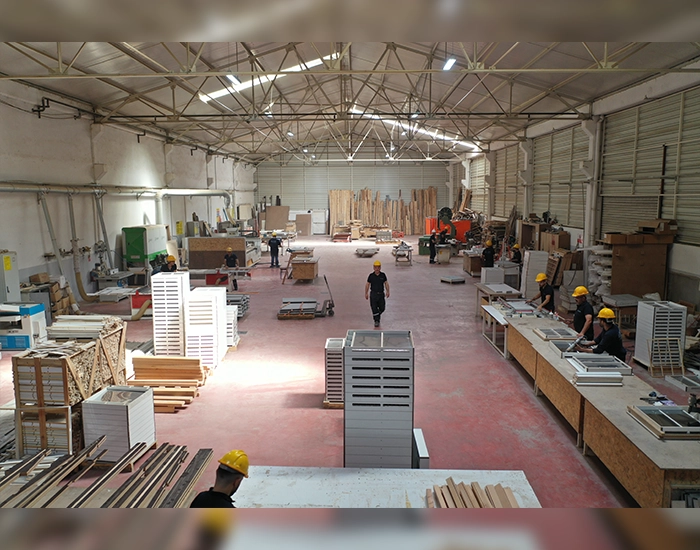
Detailed final control plans are created for each product type. These plans clearly define the characteristics to be controlled, acceptance criteria, measurement methods, and sampling plans. While sampling plans compliant with ISO 2859 standard are used for most characteristics, 100% control is applied for critical characteristics that directly affect safety and performance. Products approved in final control are marked with quality approval labels and made ready for shipment.
Functional and Performance Tests
Our products are subjected to comprehensive functional tests that simulate real operating conditions. Functions of critical components such as motor performance, hydraulic systems, and electronic control units are tested at our test stations. Parameters such as grinding performance, capacity, and energy consumption are measured for milling machines. We verify the performance of our products for their expected lifespan through durability tests.
Dimensional and Visual Quality Controls
We control the dimensional accuracy of our final products using precision measuring instruments and 3D measurement technologies. Critical connection points and interfaces are verified with special templates and masters. In our visual quality controls, aesthetic and functional features such as surface quality, paint, welding, and assembly quality are evaluated. Evaluation is made by referencing visual standards prepared for each product group.
Product Certification and Approval Process
Final products are released by the quality control department after successfully passing all controls. Quality and conformity certificates are prepared for each product, and test results and control records are documented. Product release authority is only held by authorized personnel designated in the quality control department. Quality records are archived digitally and stored for future reference and traceability.
Our Laboratory and Test Center
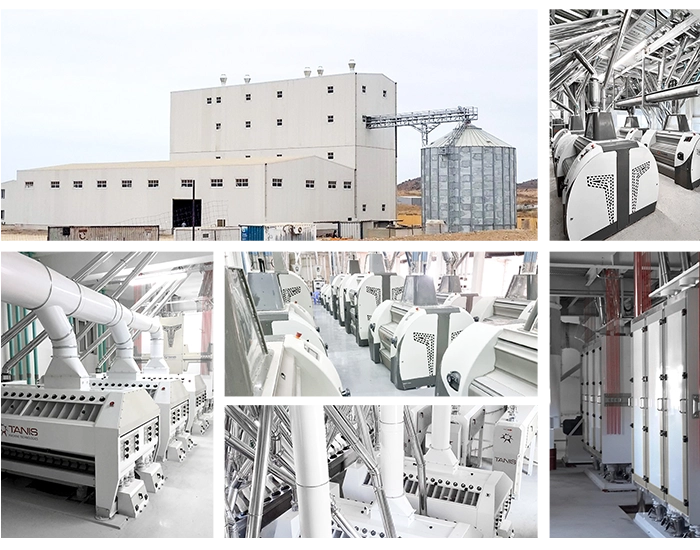
We perform comprehensive material analyses and product tests in our laboratory equipped with modern devices. We have extensive test capacity for metallographic examination, mechanical tests, chemical analyses, and dimensional measurements. Our laboratory has a quality system that meets ISO/IEC 17025 requirements. We use high-tech devices such as high-precision spectrometers, tensile test machines, hardness measurement devices, and 3D measurement equipment.
Calibration Management
We implement a comprehensive calibration plan for all our measurement devices. Calibration periods are determined according to the criticality and frequency of use of the device. We ensure traceable calibration to national and international standards. While we have critical measurement devices calibrated at accredited laboratories, we implement internal calibration programs for some equipment. All calibration records and certificates are regularly archived and tracked.
Measurement Systems Analysis (MSA)
We regularly conduct Gage R&R (Repeatability and Reproducibility) studies to verify the reliability of our measurement systems. We perform capability evaluations of measurement devices in accordance with AIAG standards. We verify the reliability of the measurement system by evaluating the consistency of measurements made by different operators at different times. We evaluate the precision and accuracy of measurement results by performing measurement uncertainty analyses.
Advanced Measurement Technologies
We use integrated measurement systems that automatically perform critical measurements on our production lines. We detect surface defects and visual quality problems with image processing and optical control systems. 3D laser scanning technology enables precise measurement of complex geometries. We detect internal structural defects using non-destructive testing methods such as ultrasonic, magnetic particle, and penetrant tests.
Non-Conformity Detection and Management
Detected quality non-conformities are addressed with a systematic approach. Non-conformities are classified according to their impact level and criticality. Non-conforming products are immediately isolated, marked with red labels, and moved to a separate area. Evaluation is made by an expert team to decide whether the product can be repaired, reprocessed, or scrapped. Customer approval is obtained when necessary for deviations from customer specifications.
Root Cause Analysis and Problem Solving
We conduct comprehensive root cause analyses to prevent quality problems from recurring. We effectively use problem-solving methodologies such as 8D, 5 Why, and Fishbone. We provide a data-based approach with statistical analysis tools to identify real causes. Teams formed with participants from different departments collaborate to solve problems and develop permanent solutions.
Corrective and Preventive Activities
Systematic corrective activities are planned and implemented for identified problems. Responsible parties, due dates, and monitoring plans are determined for each corrective activity. The effectiveness of implemented actions is evaluated and verified after a certain period. Preventive activities are also planned to prevent the same problems from occurring in similar products and processes. Processes and documentation are updated in line with quality improvements.
Continuous Improvement Projects
Our quality data is regularly analyzed to identify improvement opportunities. Through Kaizen and continuous improvement approach, we achieve continuous development with small steps. Projects that increase efficiency and reduce errors are carried out using lean manufacturing techniques and 6 Sigma methodologies. Through our suggestion system that encourages employee participation, improvement ideas from the field are evaluated and implemented.
Our Quality Control Specifications for Milling Machines
We apply sector-specific quality control criteria and methods for milling machines. Critical parameters such as grinding performance, capacity, and energy efficiency are evaluated in special test setups. Compliance with sectoral standards such as IAOM (International Association of Operative Millers) is controlled. We perform durability tests and simulations to ensure our machines are long-lasting and reliable under harsh working conditions.
Welding and Joining Process Control
Welding and joining operations are of critical importance for the structural integrity of our products. All welding operations are performed in accordance with EN ISO 3834 requirements. Comprehensive controls are performed before, during, and after welding. Welding quality is verified using non-destructive testing methods such as ultrasonic, magnetic particle, and radiographic inspection. Our welding personnel and procedures are certified according to international standards.
Surface Treatment and Coating Control
All surface treatment and coating processes are kept under control, starting from the surface preparation stage. Coating thickness is measured with electronic devices, and coating durability is evaluated through adhesion tests. Long-term performance of coating is tested through corrosion tests such as salt spray test and environmental simulations. Coating quality is evaluated and documented in accordance with visual standards.
Automation and Electrical Controls
Functional tests of electrical and electronic components are of critical importance in terms of safety and performance. Control panels and automation systems are functionally verified with integrated test systems. Special validation protocols are applied for software and programmable control systems. Compliance of our products with relevant standards is controlled through electromagnetic compatibility (EMC) and electrical safety tests.
Packaging and Protection Quality Controls
Our packaging processes are also subject to quality controls to ensure our products reach our customers safely. The quality and compliance with standards of packaging materials is regularly controlled. The packaging process is evaluated and verified in terms of protection adequacy. Necessary measures are taken to protect the product during transportation and storage. Complete traceability is ensured with correct labeling and marking of all products and boxes.
Pre-Shipment Final Controls
A comprehensive final control is performed while products are being prepared for shipment. Using shipment control lists, all products and documents are ensured to be complete. Complete set control is performed to ensure product sets are complete. It is verified that quality certificates, user manuals, and technical documents are complete. Special requirements specified by the customer are checked one last time.
Installation and Commissioning Quality Controls
The quality control process continues during the field installation and commissioning of our products. Our technical teams ensure that installation is performed in accordance with the project and technical specifications. Comprehensive test procedures are applied during commissioning to verify that the system works correctly. Performance verification and acceptance tests are performed with the participation of customer representatives. The process is completed with customer training and documentation delivery.
Field Performance Monitoring and Feedback
We implement a systematic tracking system to monitor the field performance of our installed products. Service team reports are analyzed to collect data on field performance. Customer feedback is received and evaluated through a structured system. Product performance is closely monitored and analyzed during the warranty period. Data received from the field provides input to product development and quality improvement processes.