
Climate change has become one of today’s most critical global issues. Mill facilities contribute to climate change through their energy-intensive operations and carbon footprint in raw material supply chains. However, it is possible to minimize this impact and simultaneously increase operational efficiency through strategic carbon reduction approaches. As Tanış A.Ş., with over 60 years of industry experience, we lead the climate-friendly transformation of mill facilities and offer comprehensive solutions to accelerate the transition to a low-carbon future. This content addresses strategies, technologies, and best practices for reducing the carbon footprint of mill facilities.
Carbon Footprint Calculation Methodology
Carbon footprint calculation in mill facilities is performed within three main scopes under the Greenhouse Gas Protocol (GHG Protocol) framework:
Scope 1 Emissions: Direct emission sources such as fuel consumption, steam generation, and company vehicles at the facility Scope 2 Emissions: Indirect emissions from purchased electricity, steam, or heating/cooling sources Scope 3 Emissions: Other indirect emissions in the value chain such as raw material supply, product transportation, and waste management
During the calculation process, activity data (electricity consumption kWh, fuel consumption liters, etc.) for each emission source is collected and multiplied by appropriate emission factors to determine the carbon footprint in CO2 equivalent (CO2e) terms. Data quality and currency of emission factors are critically important for a comprehensive and accurate carbon footprint analysis.
The distribution of carbon emissions in a typical mill facility is as follows:
- Electricity Consumption (50-60%): Mill machinery, ventilation, lighting, cooling
- Fuel Usage (15-20%): Steam generation, process heating, company vehicles
- Logistics and Transportation (15-20%): Raw material supply and product distribution
- Raw Material Supply (5-10%): Embedded carbon emissions from wheat production
- Waste Management (3-5%): Waste disposal and processing
This distribution may vary according to the facility’s size, technology level, and geographical location. However, in most mill facilities, electricity consumption is the largest emission source and should be addressed as a priority.
Carbon Emission Measurement and Monitoring Systems
Continuous measurement and monitoring systems are vital for effective carbon management. The following systems are implemented in modern mill facilities:
- Energy Monitoring Systems: Systems that monitor electricity, fuel, and other energy consumption in different parts of the facility in real-time
- Carbon Accounting Software: Specialized software that enables collection, analysis, and reporting of emission data
- Sub-meters and Sensors: Devices that measure energy consumption and efficiency on an equipment basis
- Data Analytics Platforms: Systems that analyze energy and carbon data to identify optimization opportunities
These technologies make carbon management data-driven, helping to determine the most effective reduction strategies.
Energy Optimization in Mill Equipment
Energy efficiency in mill equipment is one of the fastest and most cost-effective ways to reduce carbon emissions. The following optimization measures can reduce energy consumption in mill facilities by 20-30%:
- Efficient Motor and Drive Systems: Use of IE4/IE5 class premium efficient motors and variable speed drives (VSD) can reduce motor energy consumption by up to 30%.
- Roll System Optimization: Modern roll systems can reduce energy consumption by 15-20% by increasing grinding efficiency through precise pressure control and automatic adjustment.
- Pneumatic Conveying System Improvements: Energy consumption in pneumatic systems can be reduced by up to 25% through pressure optimization, leak control, and energy-efficient fans.
- Sieve Efficiency: Energy consumption in sieving operations can be reduced through advanced sieve technologies and vibration optimization.
Building and Facility Energy Efficiency Improvements
Mill facilities have significant energy efficiency potential in building and auxiliary systems beyond production equipment:
- Thermal Insulation: Insulation of building envelope and process equipment provides energy savings by reducing heating/cooling needs.
- LED Lighting: Transition from traditional lighting systems to LED technology can reduce lighting energy consumption by 60-70%.
- HVAC System Optimization: Efficient heating, cooling, and ventilation systems can provide significant energy savings when integrated with smart control technologies.
- Waste Heat Recovery: Waste heat released from process equipment can be used for building heating or hot water production to increase energy efficiency.
Compressed air and steam systems are significant energy consumption points in mill facilities and offer optimization opportunities:
- Compressed Air Leak Control: Regular leak detection and prevention programs can reduce energy losses in compressed air systems by 20-30%.
- Compressor Efficiency: Energy savings can be achieved through efficient compressor technologies, proper sizing, and load management.
- Steam System Improvements: 15-25% energy savings in steam systems are possible through increasing boiler efficiency, insulation of steam distribution lines, and condensate recovery.
- Low Pressure Strategies: Operating compressed air and steam systems at minimum required pressure levels provides significant energy savings.
Solar Energy Systems and Applications
Mill facilities are ideal candidates for solar energy systems due to their typically large roof areas. Integration of photovoltaic (PV) systems provides the following advantages:
- Low Carbon Electricity: Reduces carbon emissions by providing a portion of electricity consumed at the facility from renewable sources.
- Energy Cost Protection: Provides long-term fixed energy costs, offering protection against electricity price fluctuations.
- Payback Period: Solar energy systems can amortize themselves in 5-8 years depending on location and electricity prices.
- Image and Sustainability: Visible renewable energy investments contribute to corporate sustainability goals.
A PV system of 500 kW – 1 MW for a typical mill facility can meet 15-30% of electricity consumption and provide annual emission reduction of 300-600 tons CO2e.
Biomass and Waste-to-Energy Generation
Organic by-products and waste generated in mill facilities can be utilized for biomass energy production:
- Bran and By-product Utilization: By-products such as bran and middlings from the grinding process can be used as fuel in biomass boilers.
- Biomass Boilers: Modern biomass boilers can efficiently convert by-products to heat and steam, reducing fossil fuel consumption.
- Biogas Potential: Converting organic waste to biogas through anaerobic digestion is another energy production method that can be utilized in mill facilities.
- Waste-to-Energy Systems: Advanced waste-to-energy technologies convert organic waste to energy sources, both reducing waste disposal costs and lowering carbon emissions.
When renewable energy generation at the facility is not possible or insufficient, green electricity purchasing alternatives can be considered:
- Renewable Energy Certificates: By purchasing certificates such as YEK-G and I-REC, it can be documented that consumed electricity is produced from renewable sources.
- Long-term Power Purchase Agreements (PPAs): By making long-term electricity purchase agreements with renewable energy producers, both carbon emissions can be reduced and energy costs can be stabilized.
- Green Tariffs: Electricity tariffs offered by some electricity suppliers that guarantee 100% renewable source production can be preferred.
Logistics and Supply Chain Emission Reduction
Raw Material Supply Chain Optimization
Raw material supply has a significant share in the carbon footprint of mill facilities. To reduce emissions in this area:
- Local Sourcing: Obtaining wheat and other raw materials from sources as close as possible reduces transportation distances and emissions.
- Sustainable Agriculture Cooperation: It is possible to support sustainable agricultural practices and reduce agricultural emissions by cooperating with suppliers.
- Supplier Selection Criteria: Carbon performance and sustainability should be included among supplier selection criteria.
- Supply Chain Transparency: By monitoring the carbon footprint of raw materials through traceability systems, it is possible to turn to low-carbon alternatives.
Product transportation and logistics operations have a significant share in Scope 3 emissions of mill facilities. To reduce these emissions:
- Route Optimization: Minimizing transportation distances and increasing vehicle capacity utilization with smart route planning software
- Alternative Fuels and Vehicles: Reducing transportation emissions by transitioning to vehicles using electric, LNG/CNG, or biodiesel
- Intermodal Transportation: Preferring lower-carbon transportation modes such as railway or maritime instead of roadway when possible
- Fleet Management: Reducing fuel consumption and emissions through fuel-efficient driving techniques, regular maintenance, and modern vehicle fleet
Packaging Optimization and Sustainable Packaging
Packaging materials both cause carbon emissions during the production phase and affect waste management emissions. Sustainable packaging strategies include:
- Packaging Material Reduction: Minimizing material usage by optimizing packaging design
- Recyclable Packaging: Using packaging made from easily recyclable or biodegradable materials
- Reusable Packaging: Developing deposit system or multi-use packaging solutions especially for industrial customers
- Pallet and Loading Optimization: Maximizing shipping capacity and reducing emissions through efficient loading and stacking
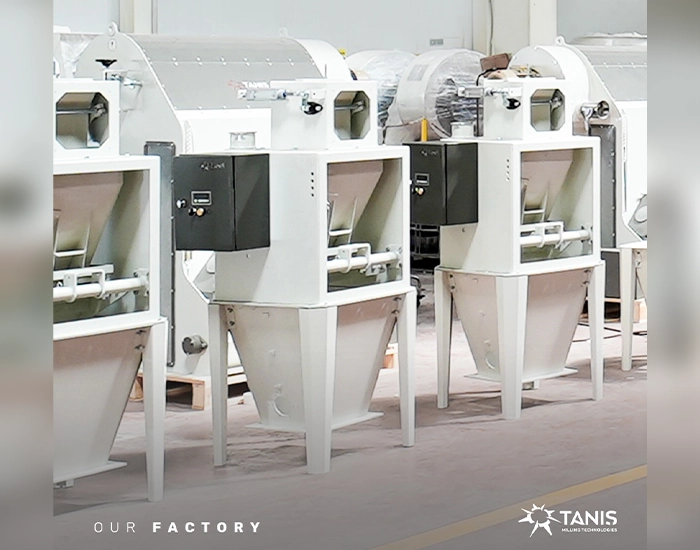
Tanış A.Ş. Carbon Reduction Solutions
Our Carbon Footprint Assessment and Consulting Services
As Tanış A.Ş., we offer comprehensive consulting services to analyze and reduce the carbon footprint of mill facilities:
- Carbon Footprint Measurement: Comprehensive carbon emission measurement and analysis in accordance with international standards
- Emission Reduction Opportunity Assessment: Technical and economic evaluation of carbon reduction potential in all operations
- Carbon Strategy Development: Creating science-based carbon reduction strategy and roadmap aligned with business objectives
- Monitoring and Reporting Support: System design and implementation support for continuous monitoring and reporting of carbon performance
Our Low-Carbon Mill Technologies
Our innovative technology solutions enable mill facilities to reduce their carbon emissions while increasing their operational efficiency:
- EnergyOptimize™: Integrated optimization system that increases energy efficiency in mill equipment by 25-30%
- SolarMill™: Customized solar energy integration solutions for mill facilities
- HeatRecovery™: Systems that provide energy savings by recovering waste heat released from process equipment
- SmartControl™: AI-supported process control and optimization software with minimized energy consumption

Frequently Asked Questions
The carbon footprint of a mill facility is calculated using GHG Protocol methodology as direct emissions (Scope 1), emissions from purchased energy (Scope 2), and other indirect emissions in the value chain (Scope 3). For calculation, data from all activities such as energy consumption, fuel usage, raw material supply, waste management, and logistics are collected and multiplied by appropriate emission factors to be expressed in CO2 equivalent terms.
Priority focus areas for emission reduction in mill facilities are:
- Reducing electricity consumption and using renewable energy
- Increasing efficiency of motor and drive systems
- Process optimization and automation
- Waste heat recovery and energy efficiency
- Optimization of supply chain and logistics emissions
Conclusion and Call to Action
Reducing the carbon footprint of mill facilities has strategic importance both for environmental responsibility and long-term competitive advantage. With the right technologies, systems, and strategies, it is possible to make mill operations more efficient and environmentally friendly. As Tanış A.Ş., we are proud to be with you in your sustainability journey with our expertise in low-carbon mill solutions.