
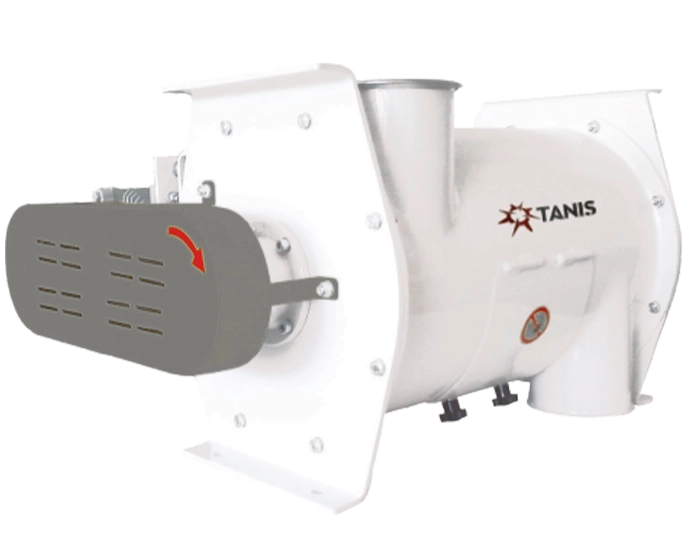
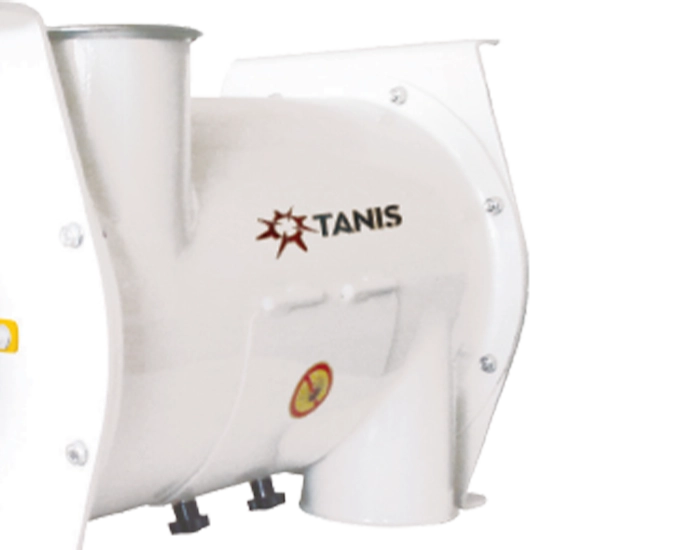
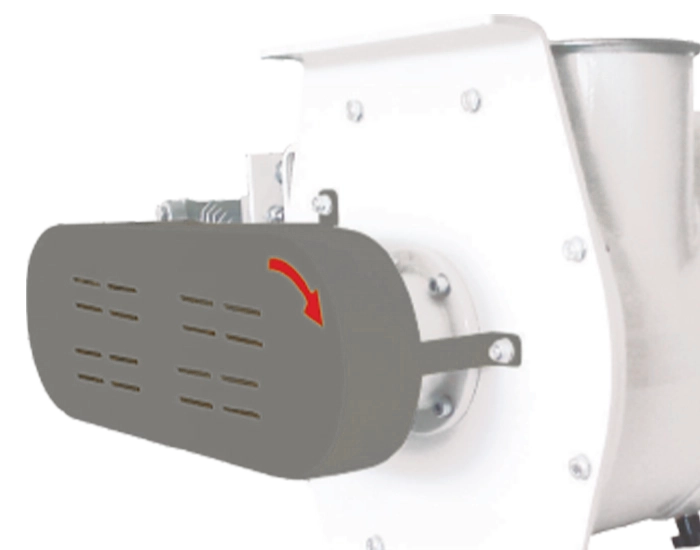
Drum Breaker: Innovative Design for Precision Milling & Superior Flour
The semolina processing process, one of the critical stages of quality flour production in the modern milling sector, has gained a new dimension with Tanış A.Ş.’s innovative Drum-Type Semolina Breaker technology. Unlike traditional systems, the precise and controlled processing capability offered by drum technology provides significant improvements in parameters determining flour quality. This technology, which offers an ideal solution for professionals who want to optimize the efficiency and quality balance in mill operations, makes a difference in the sector.

Drum-Type Semolina Breaker is an advanced technology mill equipment that operates with a cylindrical drum system, enabling high-precision and controlled processing of semolina particles. Unlike traditional hammer or impact systems, drum technology processes semolina particles more homogeneously and provides consistency in product quality. This innovative approach provides significant improvements in final flour quality while also optimizing operating costs.
The heart of the Drum-Type Semolina Breaker is the specially designed cylindrical drum. This drum processes semolina particles in a controlled manner thanks to the precise grooves and elevations on its surface. The system works as follows:
- Semolina particles are fed into the gap between the drum and counter surface
- The rotating drum applies cutting and crushing force to semolina particles
- Particles are broken in a controlled manner according to special patterns on the drum surface
- The processed product leaves the system with a homogeneous particle size distribution
This working principle ensures optimum processing of each semolina particle and minimum heat generation. As a result, quality flour with preserved protein structure and optimum starch damage level is obtained.
Technical Comparison with Traditional Semolina Breakers
| Feature | Drum-Type Semolina Breaker | Traditional Breakers |
|---|---|---|
| Processing Mechanism | Controlled cutting and crushing | Impact and collision |
| Heat Generation | Low (25-35°C increase) | High (45-60°C increase) |
| Particle Size Control | High precision | Limited control |
| Homogeneity | Very high | Variable |
| Energy Consumption | Low | High |
| Maintenance Need | Low | Frequent |
| Noise Level | 75-85 dB | 90-100 dB |
| Operating Life | 5-7 years | 3-5 years |
This comparison clearly demonstrates the technical advantages of Drum-Type Semolina Breaker over traditional systems. Especially low heat generation and high-precision particle size control offer decisive advantages in terms of flour quality.
Innovations Brought by Drum Technology to Milling
Drum technology developed as a result of Tanış A.Ş.’s R&D studies has brought the following innovations to the milling sector:
- Precision Granulation Control: Size of semolina particles can be controlled at micron level
- Protein Preservation: Protein structure deterioration is minimized thanks to low heat generation
- Energy Efficiency: More efficient processing with less energy consumption
- Reduced Noise and Vibration: More comfortable working environment
- Advanced Quality Parameters: Flour production with improved rheological properties
- Variable Product Flexibility: Fast transition capability between different flour types
These innovative features increase the competitiveness of modern mill operations.
Importance and Advantages of Low Heat Generation
One of the most important advantages of Drum-Type Semolina Breaker is that the amount of heat generated during processing is much lower compared to traditional systems. This low heat generation:
- Preservation of Protein Structure: High heat can cause irreversible changes in protein structure. Low thermal processing ensures preservation of protein quality.
- Preservation of Enzyme Activity: Natural enzymes can lose their activity at high temperatures. The drum system ensures enzyme activity is preserved at optimum level.
- Control of Starch Damage: Controlled heat generation allows optimization of starch damage level.
- Reduction of Oxidation: Low heat processing reduces lipid oxidation and extends flour shelf life.
- Vitamin Preservation: Helps preserve heat-sensitive nutrients such as B vitamins naturally found in wheat.
These advantages are critically important especially in production of high-quality bread flours and special-purpose flours.
Technical Advantages of Drum Design
Engineering Advantages of Cylindrical Drum Structure
Cylindrical drum structure offers optimum force distribution and control capability during processing:
- Balanced Load Distribution: Cylindrical structure provides balanced distribution of forces generated during processing
- High Structural Integrity: Cylindrical form offers high structural strength
- Precise Rotational Movement: Drum geometry provides precise rotational movement and minimum vibration
- Efficient Area Utilization: Compact design allows efficient use of facility space
- Optimized Weight Balance: Vibration-free operation with dynamic balance
These engineering advantages ensure long-term and reliable performance of the equipment.
Contact Surface Optimization and Homogeneous Processing
One of the most important technical advantages of Drum-Type Semolina Breaker is contact surface optimization and the homogeneous processing capability it provides:
- Extended Contact Area: Drum surface is designed to provide maximum contact area
- Controlled Pressure Application: Gap between drum and counter surface provides precise pressure control
- Gradual Processing Zones: Different processing zones on the drum provide gradual breaking
- Constant Processing Conditions: All semolina particles are processed under the same conditions
- Microscopic Surface Geometry: Optimum cutting effect with nano-level surface precision
These features ensure homogeneous processing of all particles and obtaining standard quality products.
Wear Resistance and Long-Life Operation
Tanış Drum-Type Semolina Breaker is designed for long-life and uninterrupted operation:
- High Wear Resistant Materials: Drum surface is manufactured from special wear-resistant alloys
- Hardened Surface Treatment: Drum surface is made durable with special hardening processes
- Replaceable Wear Parts: Critical wear points consist of easily replaceable modular parts
- Optimum Drum Speed: Optimum drum speed that minimizes wear
- Self-Cleaning Feature: Self-cleaning mechanism of drum surface
These features extend maintenance intervals and reduce operating costs.
Precisely Adjustable Parameters
Drum-Type Semolina Breaker offers precisely adjustable parameters for various processing conditions:
- Drum Speed Control: Adjustable speed in 400-1200 rpm range with frequency inverter
- Drum-Counter Surface Distance: Gap adjustable with 0.1 mm precision
- Feed Speed Control: Precision feed control mechanism
- Ventilation Adjustment: Adjustable air flow for optimum cooling and dust control
- Recipe Management: Ability to save 50 different product recipes
- Automatic Calibration: Automatic calibration of operating parameters
These adjustable parameters ensure obtaining optimum processing conditions according to different semolina types and flour characteristics.
Critical Role of Drum-Type Semolina Breaker in Mill Process
Drum-Type Semolina Breaker has a strategic position in modern flour mills and directly affects production process efficiency and final product quality.
Position in Flour Production Flow Chart
Drum-Type Semolina Breaker is generally positioned in the mill diagram as follows:
- After wheat cleaning and tempering processes
- Following separation of endosperm and bran in break rollers
- In the processing stage of specific quality semolinas from semolina sizers
- Before reduction rollers, for homogeneous breaking of coarse semolinas
This strategic position optimizes overall mill system performance and ensures balanced distribution of roller loads.
Technical Details of Semolina Breaking Process
The breaking process in Drum-Type Semolina Breaker is based on the following technical principles:
- Controlled Cutting Force: Special patterns on drum surface apply precise cutting force to semolina particles
- Gradual Pressure Application: Semolina particles are exposed to gradually increasing pressure along the drum
- Optimum Peripheral Speed: Drum peripheral speed is adjusted in 15-22 m/s range for ideal breaking
- Controlled Heat Transfer: Drum internal cooling system ensures heat control during process
- Vibration-Free Processing: Vibration-free operation with dynamically balanced drum
These technical details ensure each semolina particle is processed under ideal conditions and homogeneous product is obtained.
Technical Specifications and Performance Values
Detailed Technical Specifications
| Feature | TİK-600 | TİK-1000 | TİK-1500 |
|---|---|---|---|
| Total Length (mm) | 1250 | 1650 | 2150 |
| Total Width (mm) | 850 | 850 | 850 |
| Total Height (mm) | 1100 | 1100 | 1100 |
| Weight (kg) | 1200 | 1600 | 2200 |
| Inlet/Outlet Connection (mm) | 150×150 | 200×200 | 250×250 |
| Feeding Unit | Hopper with vibration | Hopper with vibration | Hopper with vibration |
| Control Panel | Touch screen | Touch screen | Touch screen |
Drum Diameter and Length Options
| Model | Drum Diameter (mm) | Drum Length (mm) | Suitable Capacity (kg/hour) |
|---|---|---|---|
| TİK-600 | 400 | 600 | 500-1000 |
| TİK-1000 | 400 | 1000 | 1000-1800 |
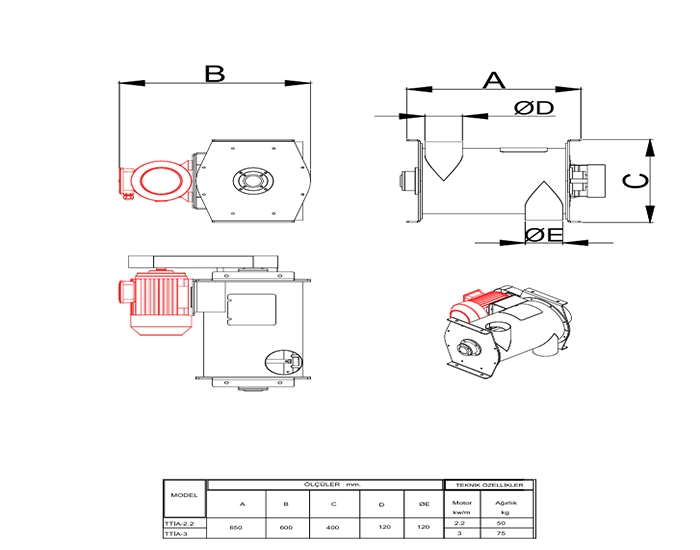
| TTİA-1500 | 400 | 1500 | 1800-2500 |
| TTİA-2000* | 400 | 2000 | 2500-3500 |
*Special order production.
Motor Power and Energy Consumption
| Model | Motor Power (kW) | Energy Consumption (kWh/ton) | Motor Type |
|---|---|---|---|
| TTİA-30/45A | 2,2 | 1.5-1.8 | IE3 Premium Efficiency |
| TTİA-30/45B | 2,2 | 1.4-1.7 | IE3 Premium Efficiency |
| TTİA-32/55A | 4 | 1.3-1.6 | IE3 Premium Efficiency |
| TTİA-32/55B | 4 | 1.2-1.5 | IE3 Premium Efficiency |
All models are equipped with frequency-controlled drives that provide energy savings.
Effect on Flour Quality and Product Advantages
Effect of Low Heat Generation on Protein Preservation
Low heat generation of the drum system has the following positive effects on protein quality:
- Prevention of Protein Denaturation: High heat can damage protein structure. Drum system minimizes protein denaturation thanks to low heat generation.
- Preservation of Gluten Quality: Low thermal processing preserves functional properties of gluten proteins.
- Maintenance of Enzyme Activity: Natural enzymes maintain their activity at low heat, improving dough fermentation properties.
- Preservation of Amino Acid Profile: Low heat ensures preservation of amino acid structure and nutritional value.
Laboratory tests show that protein denaturation in flours processed with drum system is 30-40% less compared to traditional systems.
Starch Damage Control and Optimization
Drum-Type Semolina Breaker allows precise control of starch damage level:
- Adjustable Starch Damage: Controlled starch damage in 4-8% range with drum speed and pressure adjustment
- Optimization in Bread Flours: Optimum starch damage for ideal fermentation in bread flours
- Minimum Damage in Special Purpose Flours: Minimum starch damage in pasta and biscuit flours
- Consistent Results: Consistent starch damage values that do not change from shift to shift
Controlled starch damage has direct effect on flour’s water absorption, fermentation properties, and final product quality.
Installation, Maintenance and Economic Advantages
Easy Integration to Existing Systems
Tanış Drum-Type Semolina Breaker can be integrated into various mill systems:
- Standard Connection Interfaces: Inlet and outlet connections compliant with international standards
- Modular Design: Structure adaptable to different system configurations
- Retrofit Solutions: Specially designed solutions for modernization of old systems
- Flexible Positioning: Horizontal and vertical placement options
Reduced Maintenance Need and Period
Tanış Drum-Type Semolina Breaker offers long maintenance intervals:
- Lubrication Interval: 3000 operating hours (1000-1500 hours in traditional systems)
- Drum Inspection Period: 6 months (2-3 months in traditional systems)
- Bearing Control: 12 months (6 months in traditional systems)
- Complete Maintenance Need: 24-36 months (12-18 months in traditional systems)
Economic Advantages and Investment Value
Drum-Type Semolina Breaker investment offers various economic advantages:
- Energy Savings: 20-25% lower energy consumption compared to traditional systems
- Maintenance Savings: 40-50% lower maintenance and spare parts cost
- Extraction Increase: Increased revenue with 0.5-1.5% higher extraction
- Payback Period: Average 12-24 months
Frequently Asked Questions
What advantages does Drum-Type Semolina Breaker offer compared to hammer semolina breakers?
Drum-Type Semolina Breaker offers advantages of low heat generation, more homogeneous particle size distribution, controlled starch damage, lower energy consumption, and quieter operation compared to hammer systems. It also provides longer equipment life and lower maintenance costs.
How often should drum maintenance be performed?
Drum surface should be inspected every 6 months and maintained if necessary. Drum life varies between 3-5 years. Tanış A.Ş. offers special service for drum surface renewal.
How long does integration to existing system take?
Installation and integration typically takes 2-3 days. Tanış A.Ş. plans to minimize production interruption. A detailed transition plan is provided for modernization projects.
How much increase in extraction rate can we expect?
Compared to traditional systems, an increase of 0.5% to 1.5% in flour extraction rate can be expected. This increase may vary depending on wheat type and efficiency of existing system.